• Home
  • About
  • Contact
  • Privacy Policy
   
  • Home
  • About
  • Contact
  • Privacy Policy

Zip Lock Bags

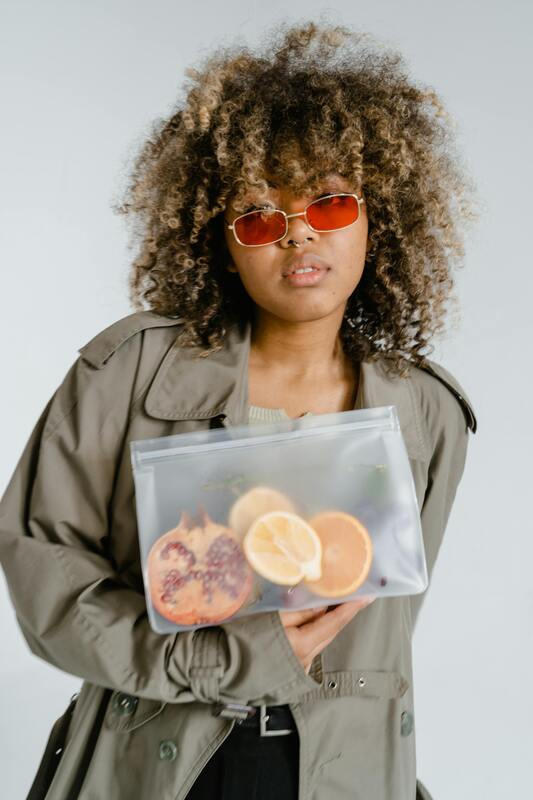
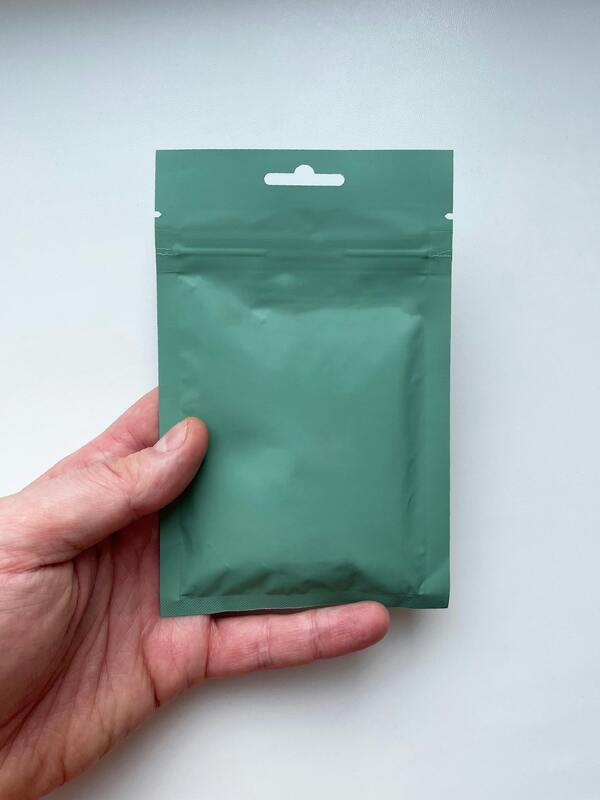
​Ziplock bags (also called resealable plastic bags, press-to-seal bags, or slider bags) are flexible plastic storage bags with an integrated seal mechanism that allows for repeated opening and closing. They are widely used for food storage, organization, protection of items, and even scientific and industrial applications.
🔹 Key Components
  1. Material:
    • Usually made from polyethylene (LDPE or HDPE).
    • Some may include nylon, polypropylene, or multi-layer laminates for extra strength or barrier properties.
  2. Closure Types:
    • Press-seal / Interlocking groove: Two plastic tracks that press together to seal.
    • Slider closure: A plastic slider runs along the top to zip the bag closed.
    • Double or triple seal: Multiple interlocking seals for better airtightness.
  3. Size & Thickness:
    • Thickness usually measured in mils (1 mil = 0.001 inch).
    • Common thicknesses: 1.5 to 6 mil.
    • Sizes range from tiny (2"x3") to extra-large (24"x24"+).
🔹 Common Uses
  1. Food Storage:
    • Storing leftovers, snacks, or raw ingredients.
    • Freezer-safe versions for long-term freezing.
    • Keeps odors contained and food fresher longer.
  2. Organization:
    • Sorting small items: screws, jewelry, cords, etc.
    • Packing clothes for travel (vacuum sealing to save space).
  3. School & Office:
    • Transporting supplies like pens, paper clips, small electronics.
    • Keeping documents dry or clean.
  4. Scientific/Industrial:
    • Transporting samples.
    • Used in labs for specimen collection and storage.
  5. Medical & Sanitary:
    • Used in first aid kits.
    • Keeping sterile tools or medication separate.
  6. Creative/Crafts:
    • Holding beads, yarn, paints, stickers, etc.
    • DIY ice packs or piping bags.
Picture
🔹 Advantages
  • Reusable
  • Lightweight
  • Moisture-resistant
  • Odor containment
  • Transparent (easy visibility)
  • Portable & compact
  • Inexpensive

​🔹 Limitations
  • Not biodegradable (though some are recyclable).
  • Can wear out or lose seal integrity over time.
  • Not all are microwave or dishwasher safe.
  • Thin versions can puncture easily.

​🔹 Variants
  • Freezer bags: Thicker plastic, better at resisting freezer burn.
  • Stand-up pouches: Gusseted bottom for standing.
  • Tamper-evident: For pharmaceuticals or confidential items.
  • Vacuum-seal compatible: For air removal and long-term food storage.
  • Colored or labeled: For coding contents.
  • Anti-static: For storing electronics.

🔹 Environmental Considerations
  • Some bags are recyclable (check for recycling codes #2 or #4).
  • Reusable silicone alternatives are gaining popularity.
  • Not all curbside programs accept them—usually need to be dropped off at special collection points.

🔹 Safety Tips
  • Do not reuse bags that have held raw meat (to avoid cross-contamination).
  • Only microwave bags that are labeled microwave-safe.
  • Check seal integrity before storing liquids or perishable items.

🔹 Fun/Creative Uses
  • DIY ice cream in a bag (using ice and salt in larger bag, ingredients in smaller one).
  • Phone protection at the beach.
  • Emergency water container.
  • Makeshift piping bag for icing.
  • Mini greenhouses for sprouting seeds.
Picture
  • Home
  • About
  • Contact
  • Privacy Policy